GLACIERS
Hiking old photos back
From 1997, US Geological Survey scientists searched park archives for historic glacier photos, then rephotographed them from the exact same vantage point.
Compare a pair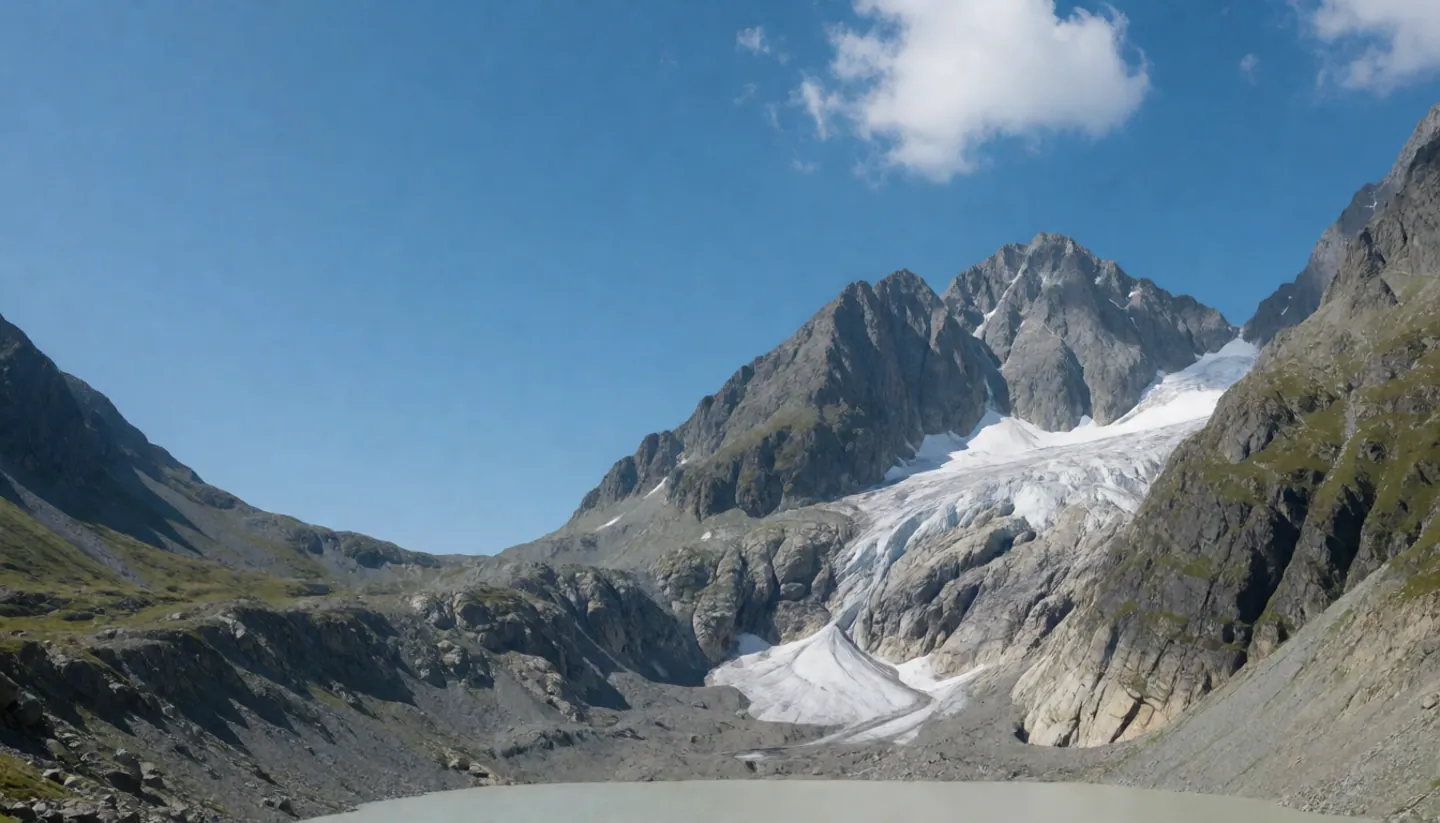
REPEAT PHOTOGRAPHY
80 → 26 glaciers, 1850 to 2015
AI-generated image, not a photograph of a real person or place.
Two photos from one viewpoint can show what words cannot.
Scientists and volunteers return to the exact place an earlier picture was taken and shoot it again. Put side by side, the pair shows how glaciers, heaths and woods have changed, as long as the method is careful.
THE SHORT ANSWER
One photo shows a place.
Two from the same point show how it changed.
GLACIERS
From 1997, US Geological Survey scientists searched park archives for historic glacier photos, then rephotographed them from the exact same vantage point.
Compare a pairTHE METHOD
The National Park Service records the lens setting and GPS coordinates for each modern pair, and notes when two shots don't quite line up.
Make your ownIN THE UK
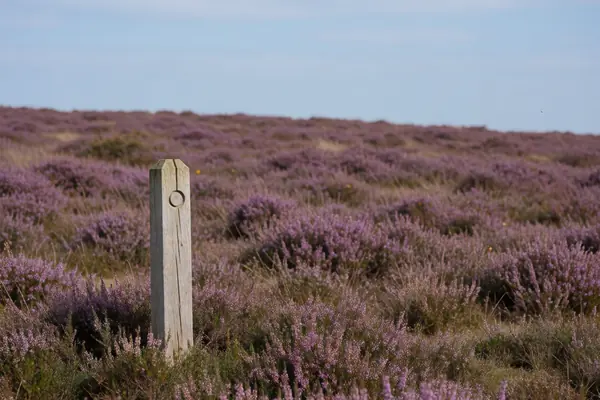
On English nature reserves, a permanent marker fixes each spot, with photos every 5 years on heath and grassland and every 10 in woodland.
UK examples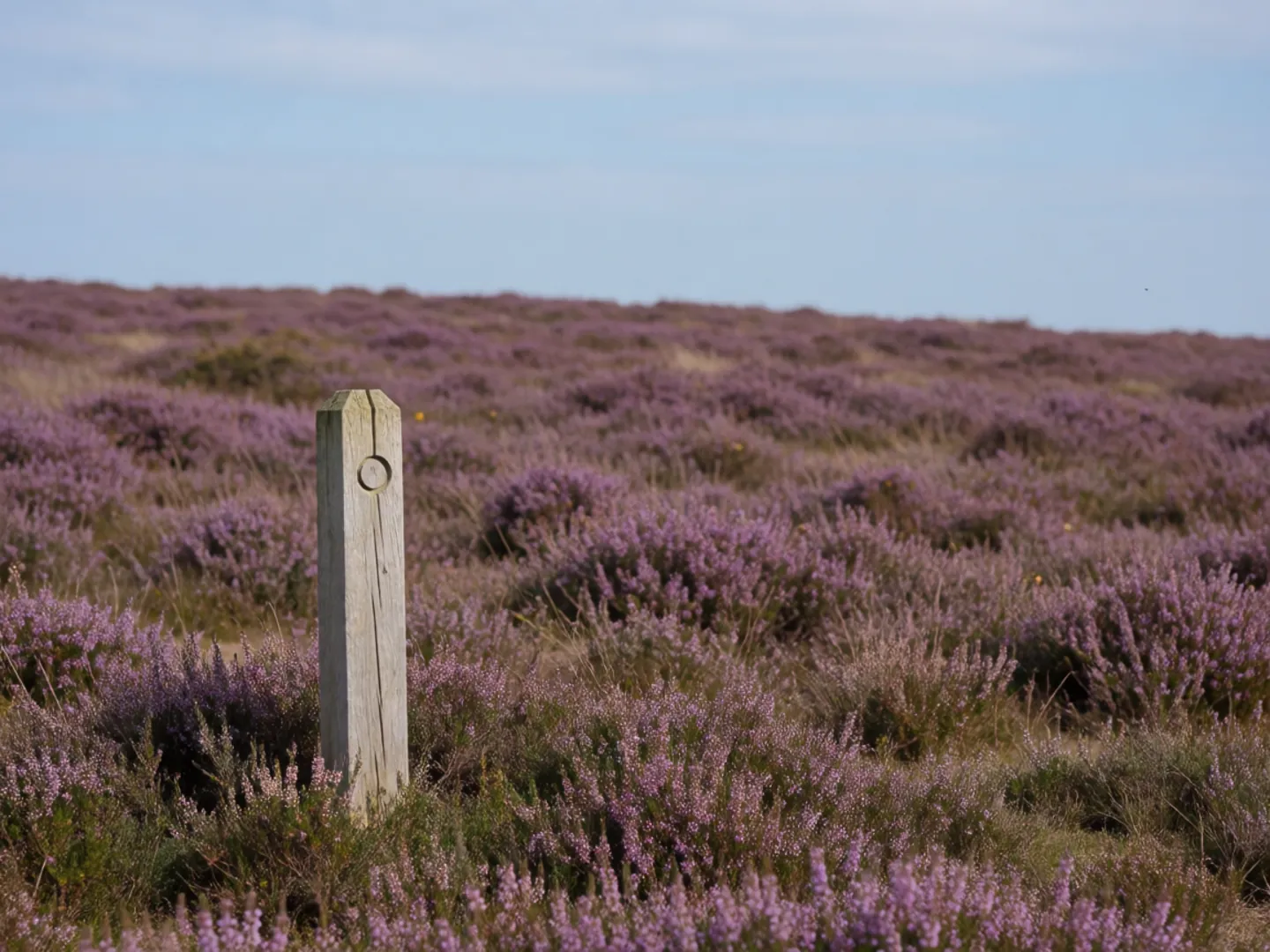
FOUR RULES FOR A GOOD PAIR
These come from how the National Park Service and English nature reserves take their repeat photos. They work for a garden, a hedge or a view from your window too.
Mark it permanently or record its grid reference or GPS coordinates, as nature reserves and the park service do.
Record the zoom or lens setting so the framing can be matched next time.
Glacier photos can only be taken between late August and October, when the snow has melted off the ice and before autumn snows.
Fixed point photography means photographing from the same point at regular intervals, so the series shows change over time.
TWO NUMBERS WORTH KNOWING
One figure for the number of glaciers,
one for how much individual glaciers shrank.
80 → 26
Glaciers around 1850, named glaciers in 2015
About 80 glaciers existed in the area at the end of the Little Ice Age; aerial imagery from 2015 found 26 named glaciers above the size threshold of 0.1 km².
GLACIER COUNT · NPS
> 80%
Loss in area for some glaciers, 1966 to 2015
Every named glacier in the park got smaller over the period. Repeat ground photos confirm the loss of area and also show thinning.
SHRINKAGE · NPS
The park says repeat photos work alongside satellite images, GPS surveys of glacier outlines and stakes in the ice that track changes in mass.
A QUICK PAIR CHECK
Pick a glacier from the National Park Service's recent pairs to see when and how each was photographed. The bar shows the gap between the two shots.
Pairs from Glacier National Park's Glacier Repeat Photos page (last updated 13 November 2025).
CLOSER TO HOME
In the South Downs, ten volunteers have taken fixed point photographs on heathland sites since 2016, recording whether conservation work such as scrub clearance is keeping the heath open. The national park calls it an effective and easy method of recording visual change.
Natural England's records describe long-term fixed point projects on national nature reserves, such as Black Tor Copse on Dartmoor, where photos from marked points were last taken in 2008. Many historic photos, like those of Glacier's Pumpelly Glacier, have never been repeated at all.
In conversation
Taking a new photo from exactly the same vantage point as an earlier one, so the two can be compared. The US Geological Survey began doing this for Glacier National Park's glaciers in 1997.
The park says there were about 80 glaciers around 1850, and aerial imagery from 2015 showed 26 named glaciers big enough to count, nine fewer than in 1966.
Only between late August and October has the previous winter's snow melted from the ice, before autumn snow falls again. That is when glaciers can be clearly seen.
A UK monitoring method: photographing a scene from the same point at regular intervals to record change, used on heathland projects and nature reserves.
Natural England's reserve projects use every 5 years for heath and grassland and every 10 years for woodland, because woodland landscapes are less likely to change over time.
Each figure on this page comes from the sources below.
ABOUT THIS NAME
photopair.com is part of the DoodleSale portfolio. Check the current listing and available purchase or lease options.